
The Hidden Cost of “Cheap” Travel
That $29 flight might not be the deal it seems. Cheap travel is everywhere—low-cost airlines, budget stays, and deals that feel too good to pass up. And sometimes, they are. But more often than not, what you save upfront shows up later in ways you didn’t expect.
One of the biggest hidden costs is time. Cheap flights often come with early departures, long layovers, or airports far from the city. You might save money, but you lose hours—sometimes even a full day—of your trip just getting there.
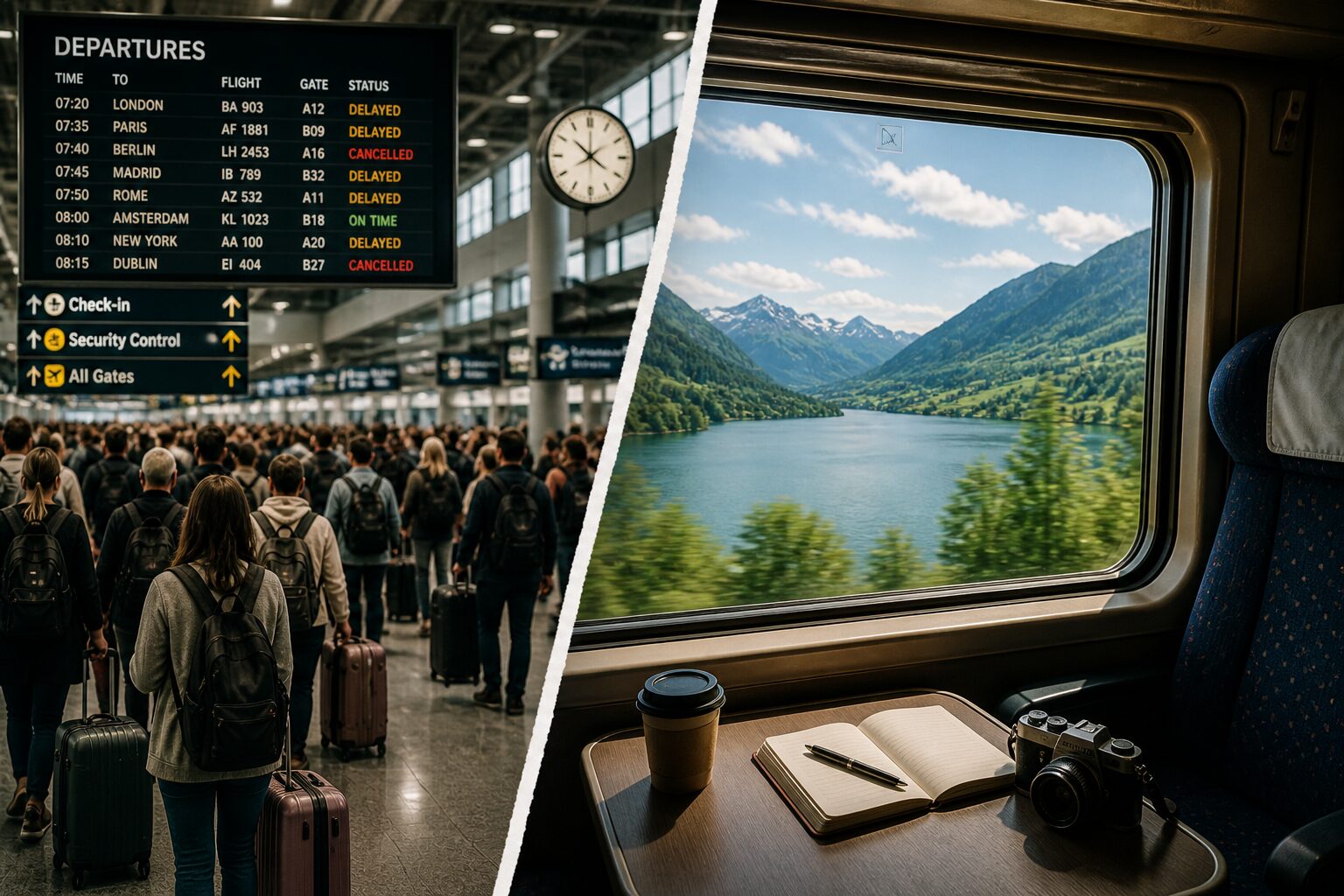
There’s also the cost of energy. Crowded terminals, delays, tight connections, and constant logistics can wear you down before your trip even begins. Instead of arriving excited and ready to explore, you arrive tired and already needing a break.
And then there’s the experience itself. When travel becomes complicated, everything feels harder. Getting around takes more effort, simple decisions feel stressful, and you end up doing less and enjoying less. What looked like a good deal starts to feel like a trade-off.
The costs also add up quietly. Baggage fees, transportation from far-off airports, and last-minute choices for convenience can quickly erase any savings. That “cheap” trip slowly becomes not so cheap after all.
The best travelers don’t just look for the lowest price—they look for the best overall experience. Sometimes that means paying a little more for a better flight, a more convenient location, or a smoother journey.
Because in the end, travel isn’t just about saving money. It’s about how it feels while you’re doing it—and that’s something worth getting right.